

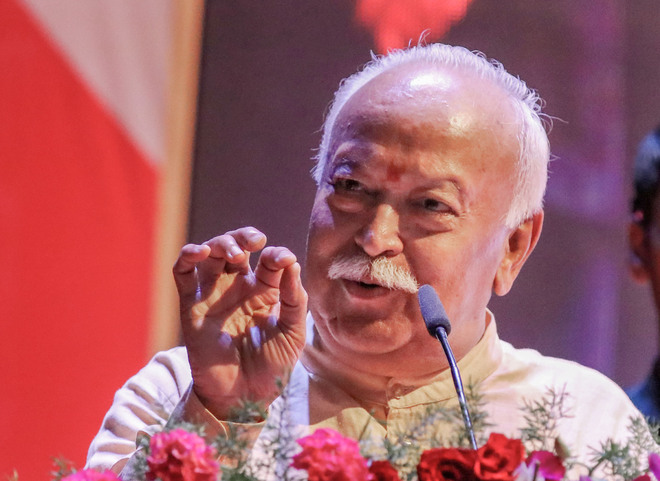
Hyderabad (Telangana) [India], July 27 (ANI): Rashtriya Swayamsevak Sangh (RSS) Sarsanghchalak Mohan Bhagwat has described the younger generation, known as ‘Gen Z’, as emotional and adaptable, while cautioning that they often do not think with a “calm mind.
“Speaking at an event in Hyderabad, the RSS chief noted that this generation is easily appealed to by things that appear “visibly authentic,” which in turn influences their acceptance of social movements.”Gen Z is good, adaptable and emotional by nature. They do not think with a very calm mind. If what is in touch with them is visibly authentic, it appeals to them,” Bhagwat said.Linking his observation of the youth to social changes, Bhagwat claimed that the ‘Stree Mukti Andolan’ (Women’s Liberation Movement), which gained wide acceptance among the youth, ultimately led a segment of society astray.”‘Stree Mukti Andolan’ started and gradually became widely accepted… So, a phase passed.
After that, the proponents of that movement realised that we had stepped onto a wrong path and ruined a generation or two of our country,” he said.His remarks came after weeks of student protests led by the Cockroach Janata Party (CJP), which gained national interest after activist Sonam Wangchuk sat on a hunger strike at Jantar Mantar.
Tensions boiled over during a ‘Sansad Chalo’ march on July 20, where police reportedly deployed tear gas and lathi-charges to disperse crowds advancing toward Parliament.
Rashtriya Swayamsevak Sangh (RSS) chief Mohan Bhagwat also discussed LGBTQ+. He said LGBTQ+ is a part of Indian society and that they should not be ostracised.Bhagwat said, “LGBTQ+ and all these communities exist. Such tendencies are present in society. Some are innate, determined by nature itself; neither we nor they can do anything about it–that is simply how they were born. However, some are acquired later due to mindset, or arise from physical inclinations. Since this phenomenon exists worldwide, we cannot claim it was absent here; we are human too, and it existed among us as well. We made quiet arrangements for them.”He said that our tradition has acknowledged their existence, “noting that while some might be curable, those that are not, they are human beings too and have a right to live.”
“They are not ostracised from society; there is a place for them within the vast tapestry of social life. We are taught not to view them with a sense of inferiority… Even today, we see that they have their own deities, shrines, and even Mahamandaleshwars who participate in the Kumbh Mela too. Rather than making unnecessary noise or fanfare about these matters, we handled them quietly to ensure society maintained a sympathetic attitude toward them. We made proper, discreet arrangements, recognising them as integral parts of our own society…” he further said. (ANI)
Readers like you, make ESHADOOT work possible. We need your support to deliver quality and positive news about India and Indian diaspora - and to keep it open for everyone. Your support is essential to continue our efforts. Every contribution, however big or small, is so valuable for our future.








I think many of us who were born in a similar timeline as Mr Bhagwat will agree with his comments. Gen Z as is fashionable to call them- my take is Z is the last letter in the alphabet and some of their antics including recent CJP students protest will place them in the lowest and last category because of their wasteful pastime of following social media without patience and be influenced by those ignorant whose only reason to blog is to get more followers. There was a report in the Republic World following resignation of Mr Pradhan of a 5 star hotel party held by CJP supporters also Greta Thornburg joining the London protest -questionable all whether a global toolkit is working against India.